
Antenna diversity
Antenna diversity
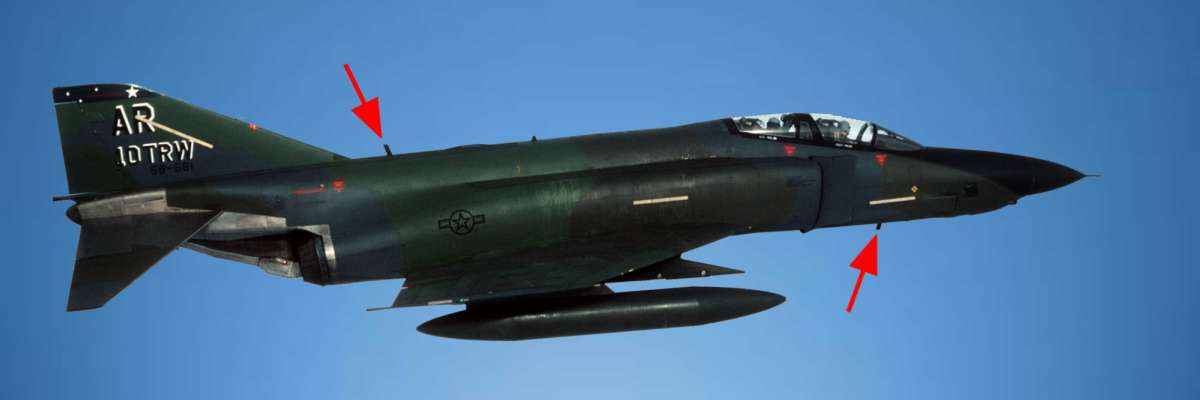
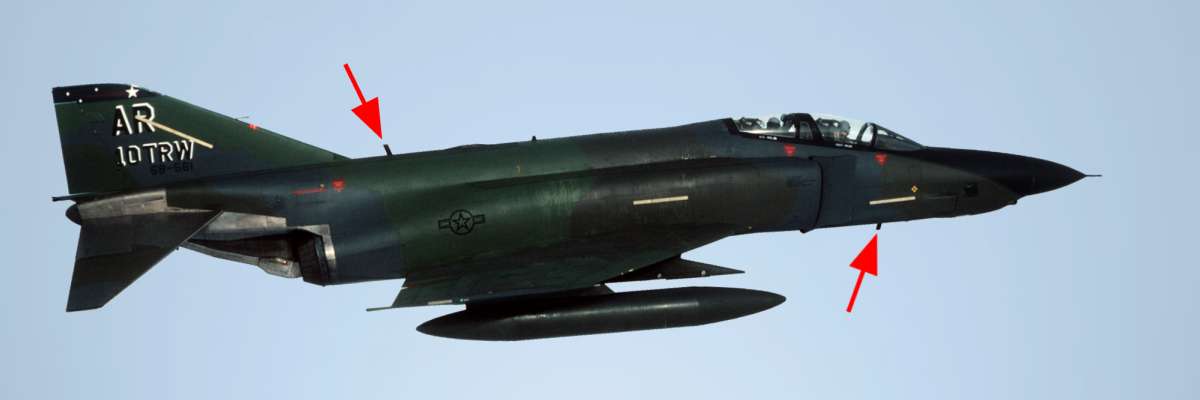
Antenna diversity for the secondary radar technology is a special procedure in which two antennas are used for a transponder, one on the upper and one on the lower side of the aircraft, to avoid shadowing by the aircraft fuselage. This technology is also called the Hartlobe System, after its developer.[1]
If both antennas are only connected in parallel, differences in run time could result in opposite-phase receiving and destructive interference, preventing a response. The aircraft could then be identified as hostile and attacked. The antennas should therefore only be connected to the transponder alternately. This ensures omnidirectional reception, but the probability of detection is reduced by half.
This dilemma is solved by a diversity transponder. Here, both antennas have an independent transmit/receive switch (duplexer) and receiver. Only at the video signal level does a comparator decide which antenna provided the stronger signal. This antenna then obviously had the better propagation conditions to the interrogator and is also used to transmit the IFF-response.
The development of diversity (Hartlobe) transponders began with the Navy and the Air Force in 1967 to improve transponders to overcome aircraft antenna shadowing problems thereby improving antenna coverage.
Source:
- Gerald E. Hart, et al, “The Hartlobe Airborne Dual Antenna System for IFF, Part 1 - Mark X (SIF) System”, NRL Report 6401, Naval Research Lab., Washington, D. C., 18 Oct. 1966 (Unclassified).