
What is a range gate?
Range Gate
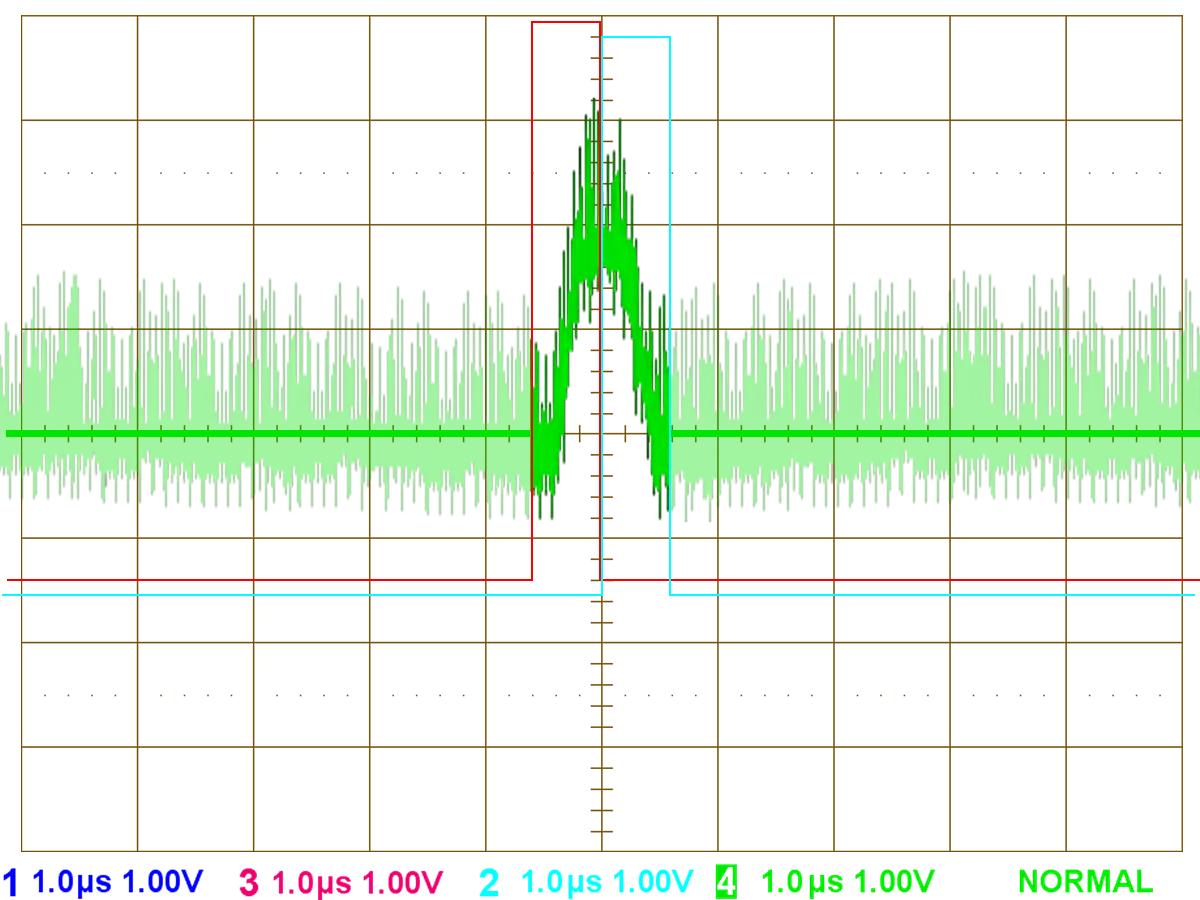
Figure 1: “Early” and “Late Gate” for precise distance measurement

Range Gate
A range gate in radar is an electronic circuit or software routine that allows echo signals to pass through or be processed only within a specific time window, enabling tracking of targets already detected during distance measurement. Range gates are used in both analog and modern digital radar systems for precise range measurement and automatic target tracking at a distance.
It is a time-limited window proportional to the object’s distance. A range gate suppresses or filters out unwanted signals (clutter) by activating the receiver only when the target’s echo is expected.
For precise target tracking, the received signal is often divided into an “early gate” and a “late gate” to determine the target’s position by comparing the signals. For example, if the received power in the “late gate” is greater than in the “early gate,” both distance gates must be shifted “later,” meaning the distance measurement value must be slightly increased until both distance gates again contain equal power components.
This method improves the accuracy of the distance measurement because the leading edge of the echo signal — which would otherwise be decisive — could be shifted by the superimposed noise. Since the leading and trailing edges are affected approximately equally by the noise level, the influence of noise on the delay time and thus the distance measurement is reduced when using the range gate method.