
AN/APN-209
Description of the radar set, tactical-technical characteristics
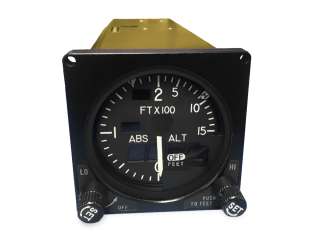
Figure 1: AN/APN-209

| Specifications | |
|---|---|
| frequency: | 4,3 GHz
(C band) |
| pulse repetition time (PRT): | |
| pulse repetition frequency (PRF): | |
| pulsewidth (τ): | |
| receiving time: | |
| dead time: | |
| peak power: | 5 W |
| average power: | |
| instrumented range: | 1500 ft (≙ 457 m) |
| range resolution: | |
| accuracy: | |
| beamwidth: | |
| hits per scan: | |
| antenna rotation: | |
| MTBCF: | |
| MTTR: | |
AN/APN-209
The AN/APN-209 is a short range radar altimeter operating in the C band (IEEE designation) or in the G band (NATO designation). It is a pulse-type radar altimeter that utilizes two antennas to transmit and receive signals.
The original version still used an electron tube as a transmitter. The AN/APN-209A version is fully transistorized. Later versions differ from this only in terms of different status indicators on the display (light-emitting diodes instead of mechanical signal flaps).
It has been the primary radar altimeter on numerous U.S. Army aircraft since its introduction in 1975.
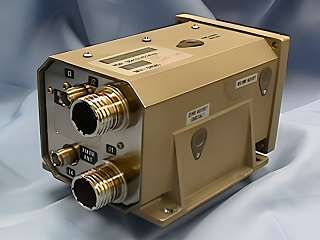
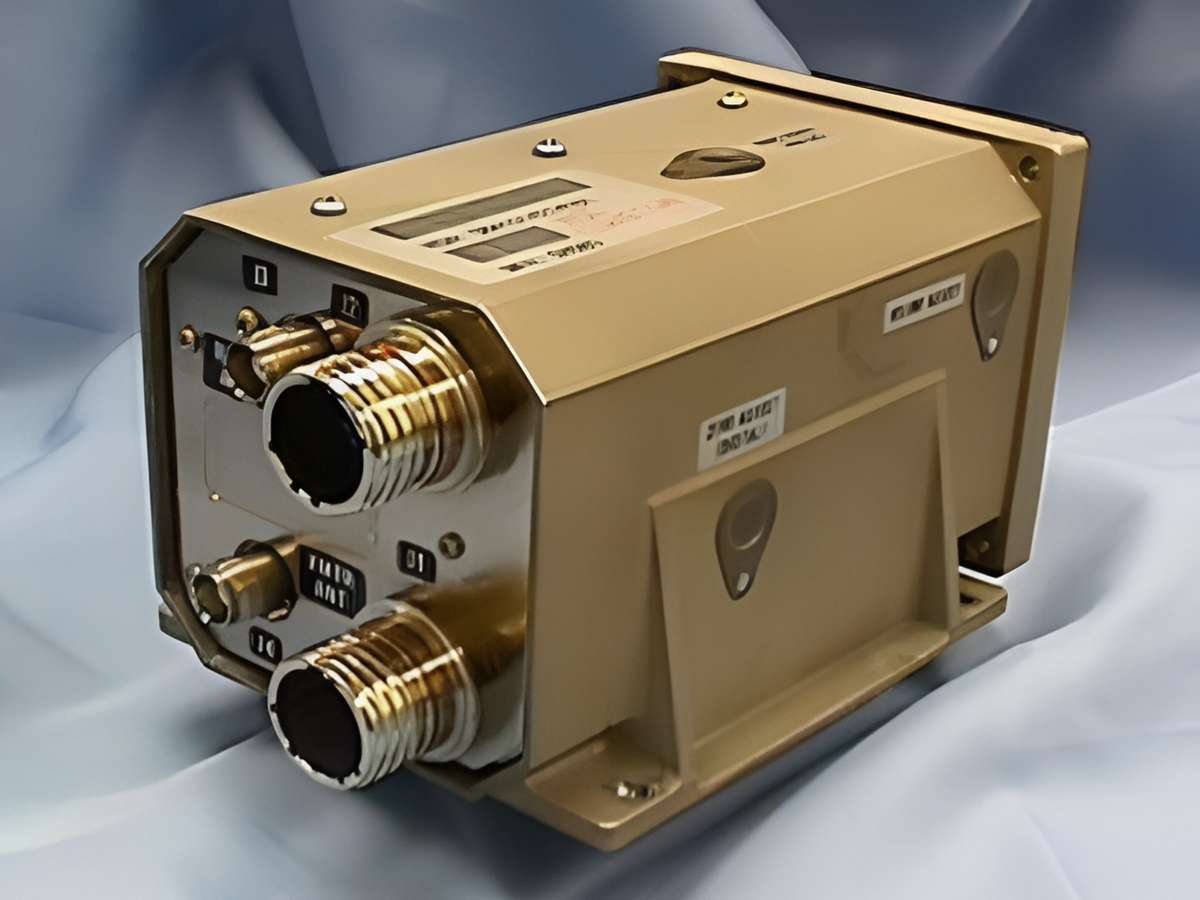
Picture gallery of AN/APN-209

Source: