
AN/APQ-84
Description of the radar set, tactical-technical characteristics
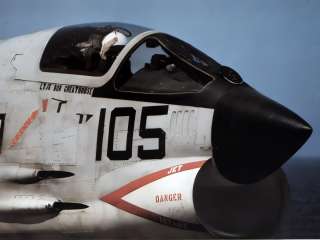
Figure 1:Vought F-8H Crusader with the short radome for the APQ-84 (a longer nose suggests the APQ-94)
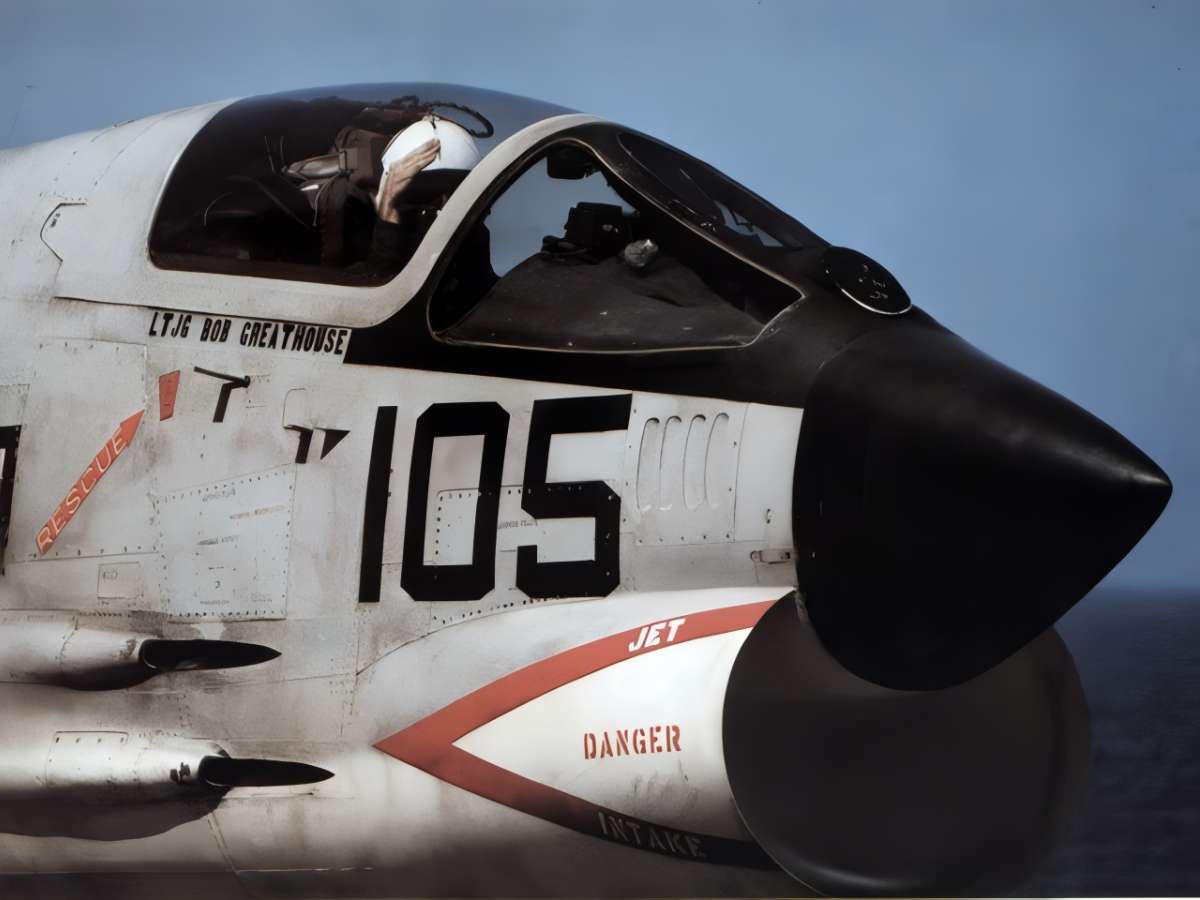
Figure 1:Vought F-8H Crusader with the short radome for the APQ-84 (a longer nose suggests the AN/APQ-94)


| Specifications | |
|---|---|
| frequency: | 8 530 … 9 600 MHz
(X band) |
| pulse repetition time (PRT): | |
| pulse repetition frequency (PRF): | |
| pulsewidth (τ): | |
| receiving time: | |
| dead time: | |
| peak power: | |
| average power: | |
| instrumented range: | 25 NM (≙ 46 km) |
| range resolution: | |
| accuracy: | |
| beamwidth: | |
| hits per scan: | |
| antenna rotation: | |
| MTBCF: | |
| MTTR: | |
AN/APQ-84
AN/APQ-84 is operating in the X band (IEEE designation) or in the I band (NATO designation) navigation, surveillance, and fire-control radar used in the Vought F-8H Crusader and was used to control AIM-9 Sidewinder air-to-air missiles. It was an improved version of the AN/APQ-83.
The maiden flight of the Vought F-8H with the APQ-84 radar took place on February 16, 1960.