
High-pass filter
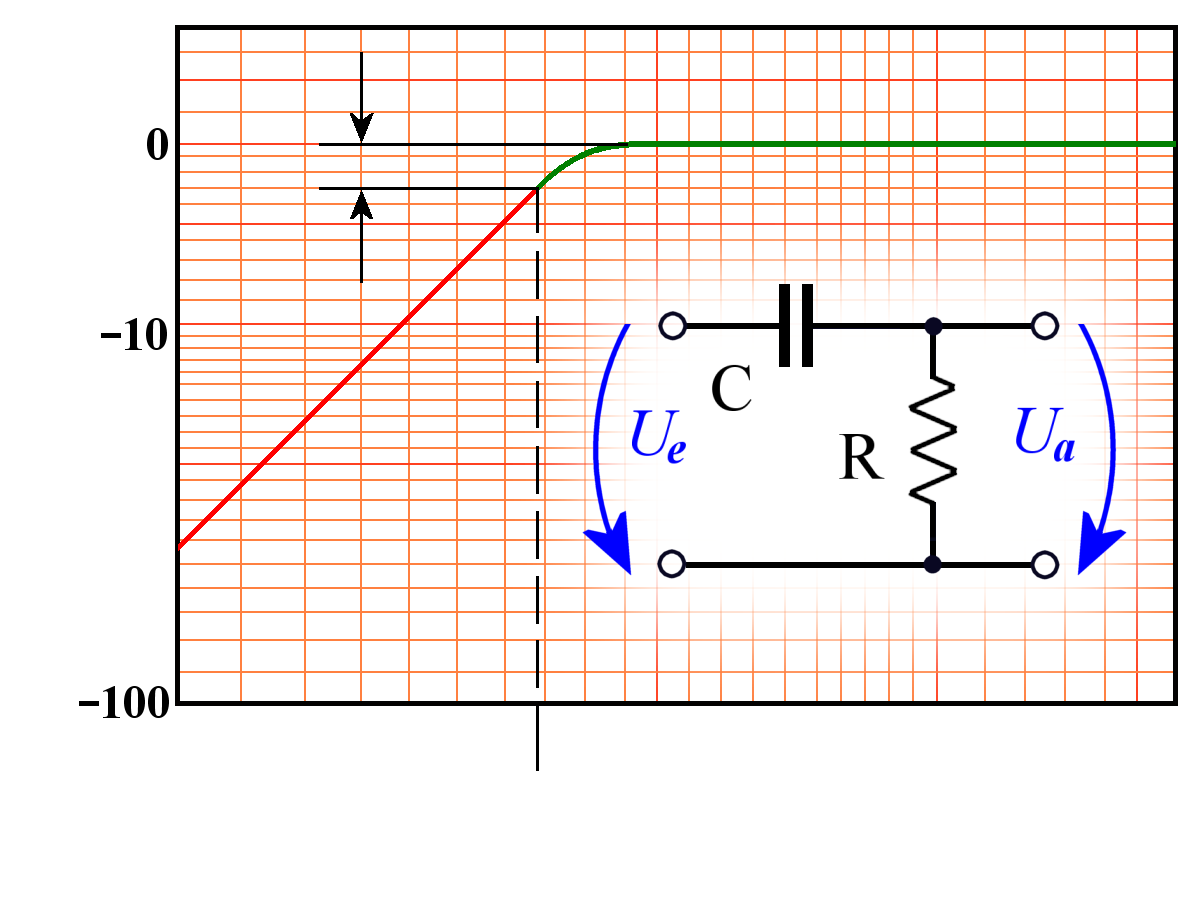
Figure 1: Frequency response of a high-pass filter

Figure 1: Frequency response of a high-pass filter
High-pass filter
A high-pass filter is a type of filter that allows frequencies above a specific cutoff frequency (fcut) to pass through with minimal attenuation while attenuating lower frequencies. The cutoff frequency is defined as the frequency at which the output voltage is −3 dB below its maximum value.
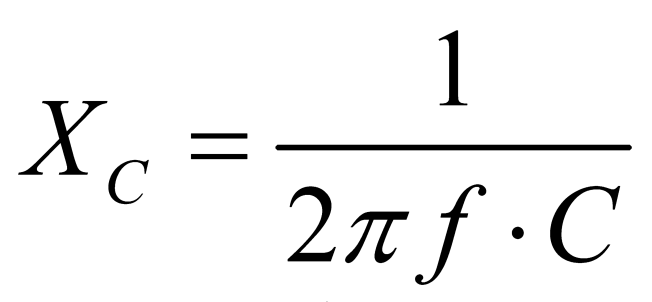
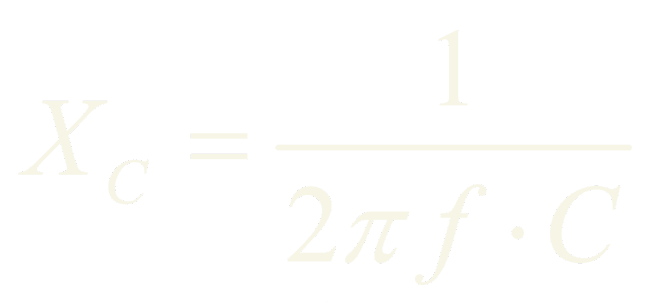
The RC high-pass filter functions like a voltage divider, where the capacitive reactance (XC) across the capacitor (C) depends on the frequency. As the frequency of the input voltage (Ue) increases, the reactance (XC) decreases, resulting in a higher output voltage (Ua) across the resistor (R). The capacitive reactance (XC) can be calculated using the following equation:
(1)
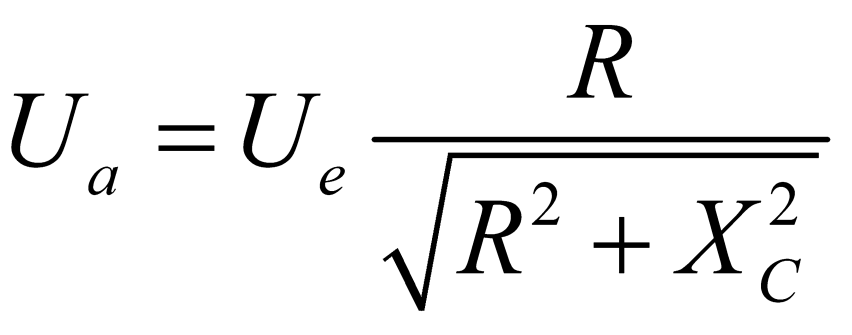
The output voltage is calculated in the same way as for a simple voltage divider, although the total resistance must take into account a phase shift of 90° and therefore the equation of Pythagoras is incorporated:
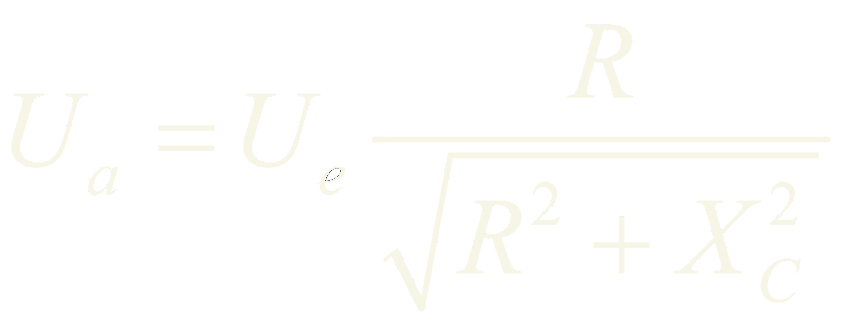
(2)
High-pass filters can also be subdivided into filters of 1st to nth order, where n is the number of frequency-dependent components (capacitors and inductors)